
Is this Gastroparesis Pain? Understanding a Complex Condition
 If you find yourself full or in pain after eating just a few bites, you might have gastroparesis. This blog explains symptoms, risks, and diagnosis.
Everybody eats. But for those who have gastroparesis, not everybody “stomachs” what they eat the same way.
Gastroparesis, or delayed gastric emptying, is a medical condition in which food sits in your stomach too long. It occurs because the stomach muscles don’t contract as strongly as they should, so it takes longer for food to move into the small intestine.
Learn about stomach pain causes and diagnostics here.
The condition occurs in 50 of roughly 100,000 people, yet cases have been on the rise over the past decade, according to research reported in the National Library of Medicine. In 2024, U.S. doctors recorded 715,000 prevalent cases, a figure projected to grow by 2034.
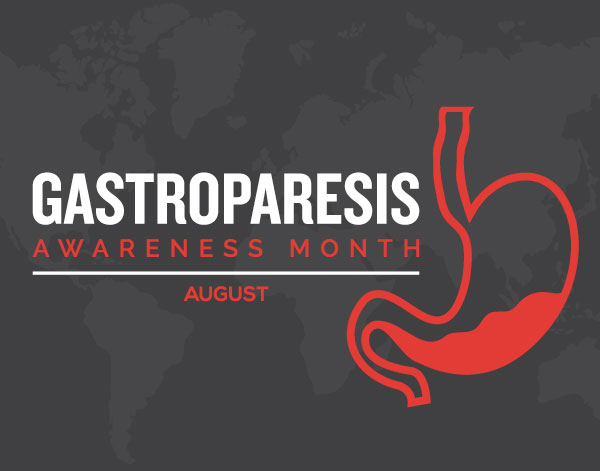
The increase can be attributed in part to better diagnostics as well as rising recognition. For example, August is Gastroparesis Awareness Month, which is dedicated to educating people about the signs and care of the disease.
These signs – which can be confused with other ailments – should not be ignored: If untreated, gastroparesis can lead to serious complications.
Gastroparesis Explained: Causes and Risks
When you eat something, your stomach muscles automatically go to work grinding up the food and pushing it into the small intestine. But for patients with gastroparesis, the stomach muscles and nerves are weakened and unable to process as well as they should.
Causes of gastroparesis include infection, neurological issues, medication, and diabetes.
Diabetes is in fact the most common cause of a gastroparesis, because high blood sugar can damage the nerves that help stomach muscles work. And because gastroparesis slows food absorption, diabetes patients can have trouble determining how much insulin they’ll need when eating.
Other groups at risk of gastroparesis:
Women – The female anatomy might help explain why women account for 65% to 75% of diagnosed cases, according to the 2025 report Gastroparesis – Epidemiology Forecast – 2034. To support nutrient absorption for fetal growth, the average woman’s small intestine is nearly a foot longer than a man’s. Further, the hormones estrogen and progesterone are known to slow gastrointestinal motion. Read our blog on digestive issues more common among women.
Older people – Those 65 years and older account for more than 40% of gastroparesis cases in the U.S. Researchers attribute this propensity to side effects of certain medications such as opiates, neurological disorders including Parkinson’s disease, and brain/blood vessel injuries.
How to Detect Gastroparesis in Yourself
Among the vexing characteristics of gastroparesis is its symptoms tend to mimic those of other conditions, such as belly pain, bloating, and gas. Additional symptoms include:
- Nausea and vomiting (undigested food in particular).
- Feeling “stuffed” sooner, even after eating little.
- Acid reflux or heartburn.
- Lack of appetite; weight loss.
- Changes in blood sugar levels.
Do not ignore these symptoms if they persist. Untreated, gastroparesis can develop into the following complications:
- Bezoars – These are hardened collections of food left in the stomach. In time, these masses can cause blockages, ulcers, and bleeding.
- Malnutrition and dehydration – Frequent vomiting due to gastroparesis, along with a lack of appetite from feeling full, can contribute to malnutrition as well as dehydration.
- Blood sugar fluctuations – When food sits in the stomach too long, blood sugar is prone to drop. Then, when food releases, sugar levels might spike. These events can disrupt the controlled release of glucose into the blood.
- Acid reflux problems – Because gastroparesis distends the stomach, its acids can more easily back up into the food pipe (esophagus). Chronic acid reflux can develop into inflammation and gastroesophageal reflux disease (GERD).
How Your Doctor Diagnoses Gastroparesis
Testing for gastroparesis begins with a basic physical. Prepare to answer questions about what you eat and when episodes occur. Your doctor will likely perform a blood test to identify potential blood sugar imbalances, infection, dehydration, or malnutrition.
From there, more advanced tests might be required. These include:
Upper GI imaging – Your doctor might order a barium-assisted X-ray, in which the patient drinks a mixture that coats and outlines the esophagus, stomach, and upper intestine, to reveal disorders. Other imaging tests include an ultrasound, MRI, and CT scan.
Gastric-emptying tests – These two approaches measure how long it take for the stomach to empty:
Gastric-emptying scan – The patient consumes a tiny amount of radiation in a meal and is then scanned to record how long food remains in the stomach.
Gastric-emptying breath test – Here, the patient eats a substance that releases in the breath after being absorbed in the intestine. The patient’s breath is tested a few hours after eating.
Upper endoscopy – A procedure in which the physician views the inside of the esophagus, stomach, and upper intestine using a slim, camera-equipped scope fed through the patient’s mouth. Read more about the procedure and what to expect here.
A SmartPill medical capsule – This is an endoscopy in capsule form, using a tiny, ingestible container that relays images to a wearable recording device as it travels through the digestive tract. The patient passes the capsule in a bowel movement. Watch a video about capsule endoscopies here.
Gastric manometry – This procedure tests stomach (gastric) strength by inserting a catheter into the stomach using a slim tube. The catheter measures muscular activity through a fasting state, followed by a meal.
Gastroparesis Treatment – Lifestyle and Medical Approaches
Easing gastroparesis often requires treating the underlying cause, which might be accomplished with dietary modifications and medications designed to activate the stomach muscles.
Should these approaches not ease symptoms, you can ask your doctor about the following options:
Electrical stimulation (gastric electric stimulation) – Often used for patients with diabetes, this procedure stimulates stomach muscle contractions through a small, battery-powered device placed directly under the skin in the abdomen. The surgeon attaches electrodes from the device to the stomach wall, where they deliver low-energy impulses.
An internal feeding tube (jejunostomy) – If other approaches (including temporary feeding tubes) do not work, the surgeon can place a feeding tube through the abdominal skin and directly into the small intestine.
Feeding intravenously – For more severe cases, nutrients will be delivered straight into the bloodstream.
Living with Gastroparesis: What You Can Do
If you are among the 42% of gastroparesis patients with milder symptoms, you might relieve them by making minor adjustments in your diet and activity. For example:
- Eat smaller but more frequent meals (think four to six instead of three).
- Ask your doctor about a gastroparesis diet, which is low in fats and fibers and rich in foods that easily dissolve, such as low-fat dairy, noodles, skin-free fruits, and poultry.
- Avoid alcohol and tobacco, which delay gastric emptying.
- Stimulate digestion through light exercise, such as walking, after eating.
You also can relieve symptoms by raising general awareness of gastroparesis, perhaps over a small meal. Everybody eats, after all.
Learn more about gastroparesis care and access helpful resources here. If you suspect you have gastroparesis, it might be time to talk to a specialist. Request an appointment here.