
Cincinnati GI Patient Newsletter – October 2026

October 2026
This Thanksgiving Don’t Invite GERD: Here’s How

It’s no surprise that GERD Awareness Week (November 22-28) falls during Thanksgiving. Between the turkey, mashed potatoes, rich side dishes and tempting desserts, it’s easy to overindulge. If you suffer from gastroesophageal reflux disease (GERD), your Thanksgiving feast can trigger some unwelcome symptoms.
This holiday season, give your digestive health some attention. The symptoms of GERD include:
- Burning and discomfort in your chest, neck, and/or throat
- Persistent burping
- A sour or bitter taste in your mouth
- Chronic sore throat and/or cough; wheezing and hoarseness
- Trouble swallowing and feeling like food is stuck in your throat
- Nausea and vomiting
If these symptoms are familiar to you, or if you regularly rely on medication to ease the burn, talk to your CGI provider. Effective treatments are available to manage GERD and prevent complications.
If you suffer from GERD, do yourself a favor before the holidays arrive. Read our five doctor-approved steps for what you should eat, avoid, and practice during Thanksgiving festivities.

A New Approach to Taming IBD

If you suffer from Inflammatory Bowel Disease (IBD), you know a flare-up can be harsh. Blame those unwanted and unpredictable symptoms on an enzyme that signals your body to attack healthy cells in your gastrointestinal lining. The result is inflammation and the unpleasant symptoms that come with it.
Until now, treatments for IBD were limited to anti-inflammatory medications, or drugs that suppress the immune system from attacking the bowel.
Introducing a promising new treatment approach
Researchers have developed an advanced therapy that blocks the signals from attacking your gastrointestinal lining. The therapy, known as “small molecule drugs,” relieves the symptoms of moderate to severe IBD (ulcerative colitis and Crohn’s disease). Known by the names Rinvoq, Xeljanz, Zeposia, and Velsipity, the drugs are quick-acting, have a low risk of triggering your immune response, are considered safe, and are taken orally instead of via infusion or injection.
Learn more about this new treatment approach to IBD. Ask your doctor if one of these drugs is right for you.
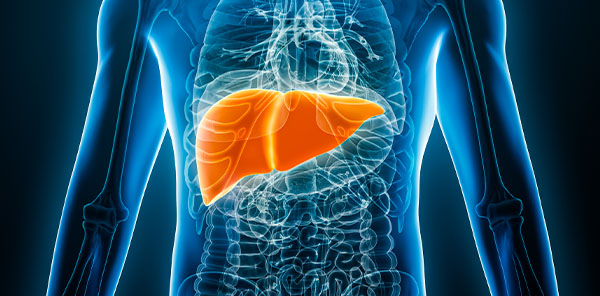 Your Liver: A Workhorse Worth Protecting
Your liver is one of your body’s hardest-working organs. Every day it filters your blood – about 22 gallons an hour – and supports digestion and metabolism, stores vitamins, regulates blood sugar, and helps remove toxins.
Several conditions can affect liver function, including:
- Fatty liver disease: Excess fat accumulates in liver cells, often linked to alcohol use, obesity, high cholesterol, or Type 2 diabetes.
- Cirrhosis: Long-term liver damage causes scarring that interferes with normal function.
- Hepatitis: Inflammation of the liver, often caused by a virus.
- Liver and bile duct cancers: These may cause abdominal pain, jaundice, fatigue, or unexplained weight loss, although early symptoms may be absent.
- Gallstones and bile duct stones: These can block bile flow and cause severe abdominal pain and nausea.
Some liver conditions have symptoms that are hard to notice at first. Warning signs may include fatigue, yellowing of the skin or eyes, dark urine, easy bruising, and unexplained weight loss.
Ways to Protect Your Liver
You can support liver health by eating a balanced diet rich in fruits, vegetables, whole grains, and lean proteins; exercising regularly; limiting alcohol; avoiding exposure to harmful chemicals; and taking precautions against hepatitis. Maintaining a healthy weight is also important.
Your CGI provider can evaluate any liver concerns through blood tests and imaging. Regular checkups can help identify problems early, when treatment may be more effective. Discover 5 ways to keep your liver healthy.
Year-End Healthcare Reminder

If you’ve met your yearly deductible for health insurance or need to spend your Flexible Spending Account (FSA) before year end, now’s a good time to schedule treatments you’ve been putting off. It may be the perfect time to schedule a colonoscopy. Getting a colonoscopy is not as scary as you think! Review your plan details to be sure you’ve met your annual deductible, and to confirm it resets on January 1.